Teaching and Learning

Primary Curriculum Framework


The Primary Curriculum Framework (PCF) was introduced in 2023 by the Department of Education and replaces the 1999 Primary School Curriculum. It provides a new national approach to teaching and learning in all primary and special schools in Ireland.

The PCF sets out a clear vision for children’s learning from Junior Infants to Sixth Class. It focuses on developing important skills that children will need throughout their lives, while also building strong foundations in areas such as language, mathematics, wellbeing, the arts, STEM, and social and environmental education.

A key part of the framework is recognising that every child is unique, with their own strengths, interests, and ways of learning. The PCF supports children to grow, learn, and thrive in a changing and modern world.


What this means for your child

  • A modern curriculum designed to prepare children for life in today’s world and future careers

  • Strong foundations in language, STEM, wellbeing, the arts, and social and environmental learning

  • Opportunities to develop important life skills such as communication, creativity, digital learning, problem-solving, active learning, wellbeing, and responsible citizenship
Language

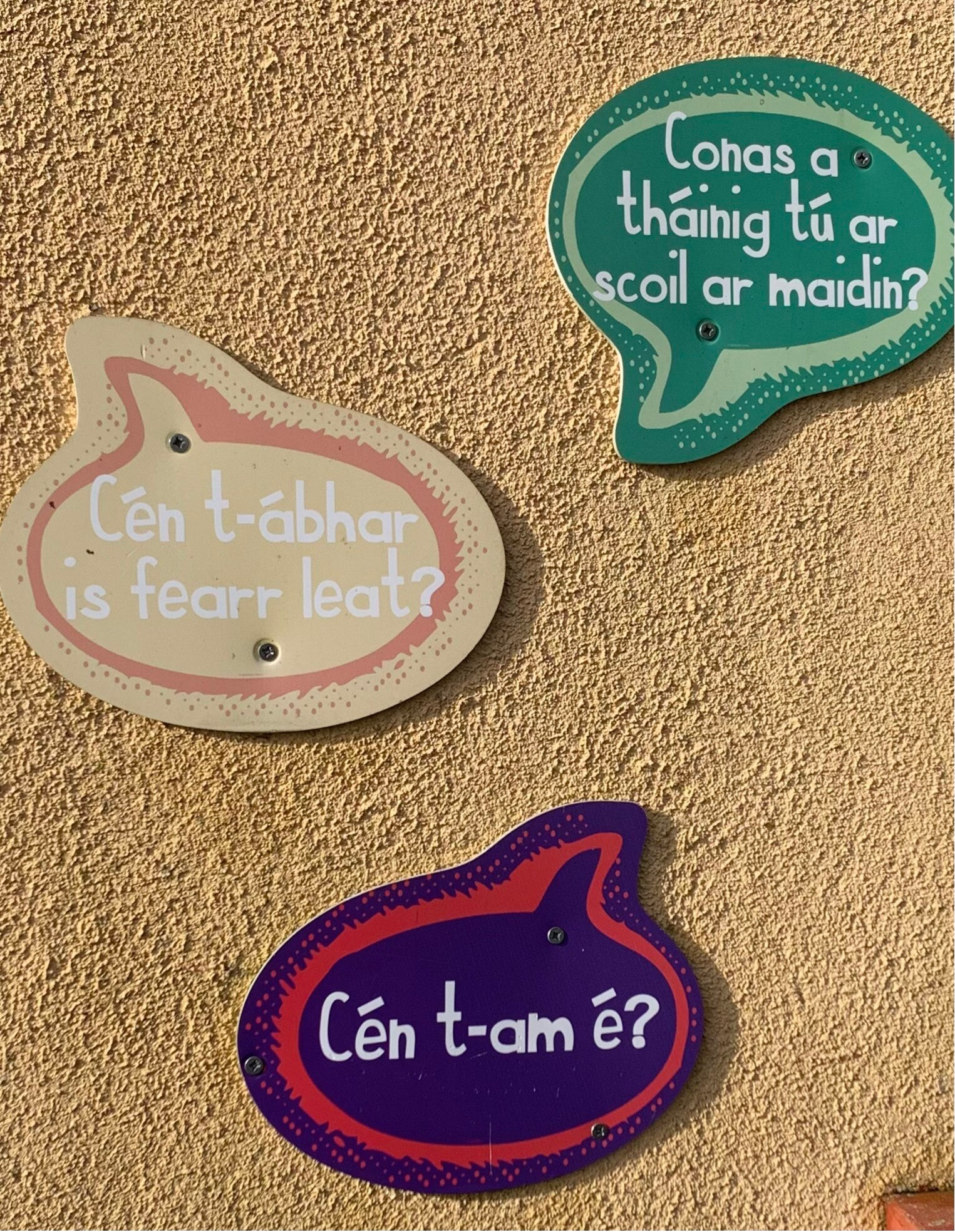
The Language area includes English, Gaeilge and Modern Foreign Languages.

  • English develops reading, writing, listening, and speaking skills, helping children express themselves clearly. We are actively developing our libraries, located in each of our classrooms, to support the love of reading through high-interest and always available resources.
  • Gaeilge helps children communicate confidently in our national language and fosters pride in Ireland’s linguistic and cultural heritage.
  • Modern Foreign Languages will begin to be introduced from 3rd Class, giving children the chance to enjoy learning a new language.
  • While each language is taught separately, language learning is integrated across the whole curriculum.

Science, Technology, Engineering and Mathematics Education

Our STEM programme includes Maths and Science, Technology & Engineering.

  • Maths follows the 2023 Primary Mathematics Curriculum, focusing on understanding, problem-solving, and applying maths in real life. We make it engaging with stations, playful activities, and maths journals.
  • Science, Technology & Engineering encourages curiosity through hands-on experiments, projects, and design activities. Children also learn to use technology safely and creatively.


Wellbeing

Wellbeing is central to our curriculum and helps children feel safe, happy, and connected while encouraging healthy habits for life.

It includes two main areas:

  • SPHE (Social, Personal & Health Education): Children learn about themselves and others, make healthy choices, and build positive relationships. This includes the Stay Safe programme, Relationships and Sexuality Education (RSE), and from 4th Class, the FUSE Anti-Bullying programme. Our Bí Cineálta initiative and Restorative Practice also promote kindness, respect, and positive interactions.

  • Physical Education (PE): Children develop movement skills, confidence, and a love of physical activity through games, sports, playground visits, and daily movement breaks. Our students in 2nd through 6th class attend swimming lessons each year.

Wellbeing is woven throughout the whole school day — through play, friendships, creative activities, and daily interactions — helping children grow mentally, emotionally, socially, and physically.

The Arts

Arts Education gives children opportunities to express themselves, explore their creativity, and build confidence. It supports wellbeing, communication, and imagination, while also fostering an appreciation of culture and the arts.

The Arts Education program includes three main subjects:

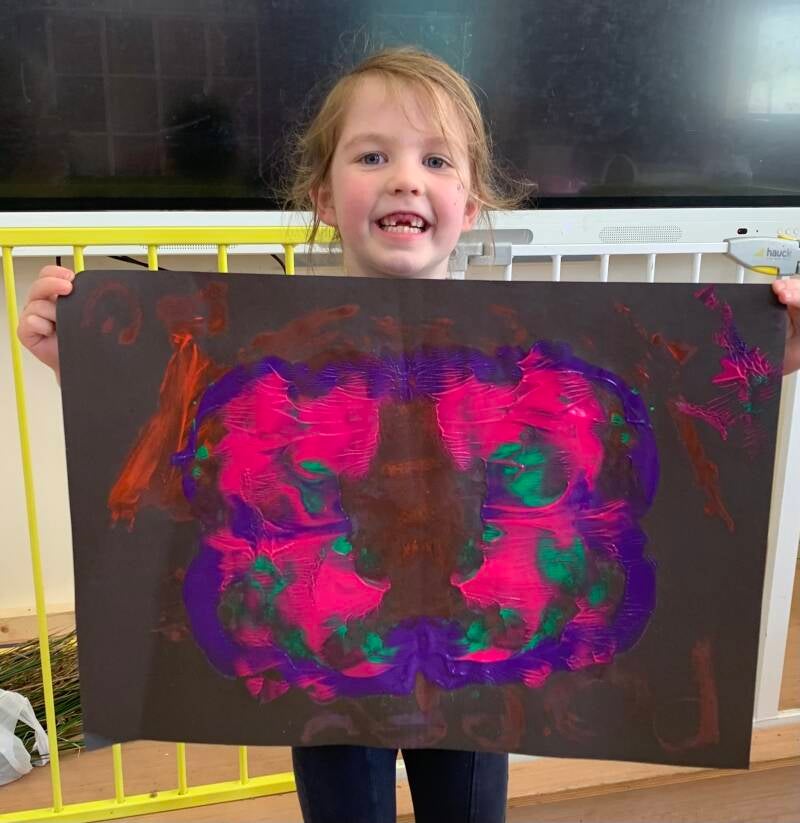
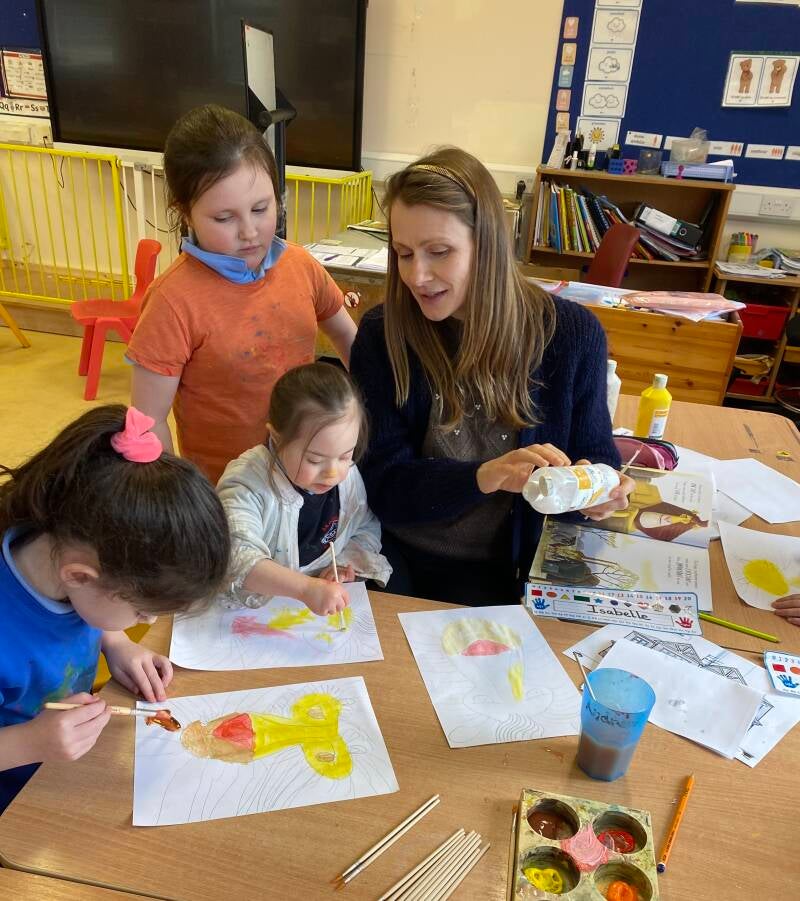
  • Visual Arts: Children explore drawing, painting, printmaking, clay, construction, and fabric and fibre. They learn to work with a variety of materials and techniques while developing skills in observation, design, and creation.
  • Music: Children develop listening, performing, and composing skills. They enjoy singing, playing instruments, and engaging with a wide range of musical styles and traditions.
  • Drama: Through role-play, movement, and storytelling, children are encouraged to express themselves, develop empathy, and gain confidence in communication.

At St. Treasa’s, the arts are also integrated across other subject areas, allowing children to explore topics creatively and make meaningful connections across the curriculum.

Social and Enviornmental Learning

Education plays an important role in helping children grow into active, caring members of a democratic and fair Irish society. Social and Environmental Education (SEE), which includes History and Geography as well as learning about religions, beliefs and worldviews, supports children in understanding themselves and the world around them. Through this learning, children develop an awareness of their rights and responsibilities and learn how they can make a positive contribution to their local community and to the wider world. Learning experiences are inclusive, engaging and child-centred, ensuring that every child feels valued and supported.

Religious and Values Education

Our Ethos

We nurture a welcoming, inclusive, and caring community where every child is valued and supported to grow academically, socially, morally, and spiritually. Respect, empathy, and responsibility guide our pupils to develop positive values that extend beyond the classroom.

Sacramental Education

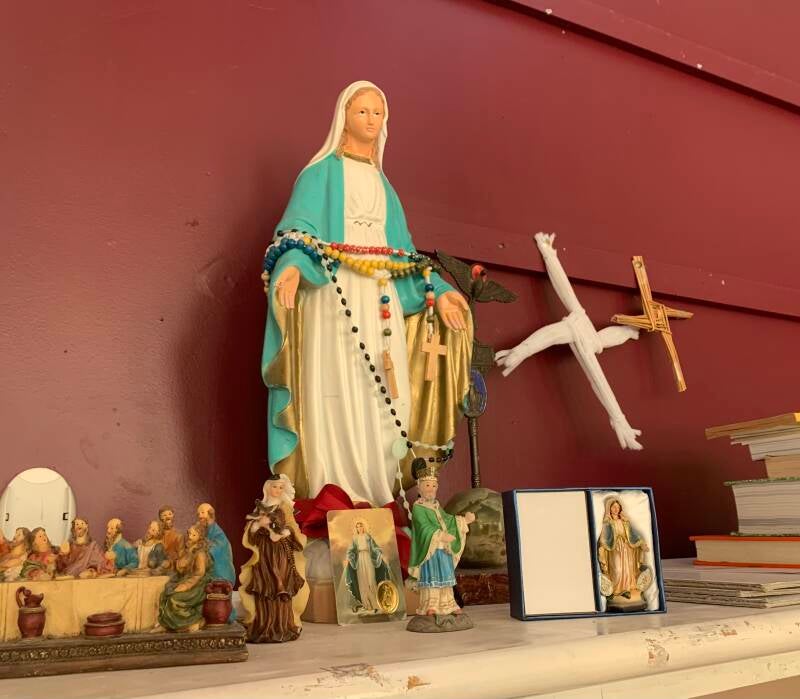
Religious education follows the Grow in Love programme, supporting children’s faith formation and sacramental preparation. We integrate faith into daily life, helping pupils connect learning with actions, relationships, and social responsibility. Sacramental and liturgical events are meaningful, reflective, and memorable, fostering an appreciation of Catholic teachings and community life.

Special Education Teaching

We are committed to helping every child reach their full potential. Our Special Education Teaching (SET) team works closely with class teachers to ensure that pupils with additional learning needs are fully included in school life. Support is tailored to each child’s needs and may include small-group teaching, one-to-one support, or in-class assistance. The goal is always to build on pupils’ strengths, support their learning, and promote independence.

In line with Department of Education guidelines, extra support is provided based on each child’s level of need, not on whether they have a formal diagnosis. Children with the greatest difficulties receive the highest level of support.

Our teachers follow the Continuum of Support model, which recognises that children may require different levels of help at different stages of their school journey:

  • Classroom Support: Assistance for all children within their own class.

  • School Support: Additional small-group or individual help for some children.

  • School Support Plus: Intensive, individualised support for children with more complex needs.

Parents are valued partners in this process, and regular communication between home and school is central to planning and supporting each child’s progress.

English as an Additional Language

Our EAL teacher supports pupils learning English as an additional language. They provide targeted language help, work closely with class teachers, and ensure every child can access the full curriculum.

We value and celebrate each child’s home language and culture while helping them develop the English skills needed for learning, social interaction, and full participation in school life. Our goal is for every EAL pupil to feel included, supported, and confident in their learning.

Digital Learning

 Digital learning helps prepare children for life in a modern, connected world. Technology supports teaching across subjects while developing key digital skills.

Our approach focuses on:

  • Safe and responsible use: children learn online safety, digital citizenship, and positive technology use.

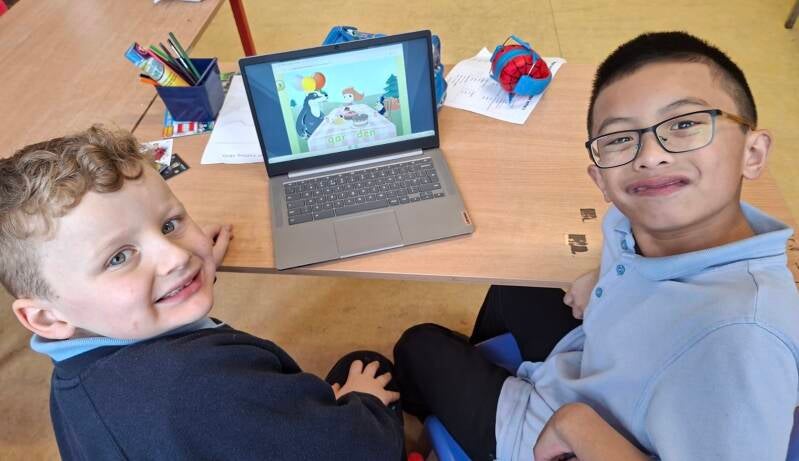
  • Enhancing learning: digital tools make lessons engaging, interactive, and creative.

  • Access to technology: two sets of iPads are available for research, projects, presentations, and creative activities.

Digital learning also supports inclusion, giving every child opportunities to succeed and engage in different ways.